
Supply Chain Secrets Blog
Logistics and Supply Chain news, articles, tips and insights

6 Steps Your IT Department Can Take Towards RFID Readiness
Are you an IT professional working in a logistics or supply chain organisation? If so, radio frequency identification (RFID) might become a feature of your project activity in the future—that is if your company hasn't already implemented RFID. The adoption of RFID...

Freight Benchmarking: What Is It? Why Do It?
Whether your company is a big or small player in terms of shipping volumes, and regardless of your chosen transportation modes (road, rail, ocean, air), the health of your bottom line depends in no small part on the competitiveness of your freight prices…
Inventory Management Excellence: Some Companies to Learn From
Inventory management is a crucial aspect of supply chain management, and effective strategies can help businesses reduce costs, improve customer service, and increase profits. But what does a great inventory management strategy look like?…

Pursuing a Career in Logistics and Supply Chain
So, you are thinking about a career in supply chain? You are not alone. Before we go any further, let us try to define the role of supply chain workers: In the simplest terms, those connected to the supply chain industry are involved in one way or another in...
How to Boost Your Warehouse Performance – Some Quick Tips
One of the key tools we use to boost warehouse performance is the FACTS framework, which stands for Flow, Access, Capacity, Trace, and Safety. Flow refers to optimizing the movement of products through the warehouse to reduce unnecessary handling and costs. Access is about ensuring picking areas are clear and easily navigable. Capacity focuses on using the right storage systems to maximize efficiency. Trace emphasizes accurate inventory tracking, while Safety underpins all operations…
Warehouse Capacity FIX – What Works
One of the most common issues is that businesses feel they’re out of space when, in reality, they may have unused vertical space. By adding extra beams or shelves to the racking, you can create additional storage levels and better utilize cubic capacity. This is a simple, low-cost fix that can add more storage without the need for expansion. Managing inventory is also a key. Many businesses hold on to slow-moving or obsolete stock that occupies valuable space…
How to STOP Order Profitability Leaks – Logistics Costs
Customer and product profitability might not seem like the most exciting topic—until you realize how much it affects your bottom line. Over the years, I’ve seen countless businesses lose money on customer orders without even knowing it, all because they lack proper visibility. The problem often gets shelved because it feels too difficult to fix. Addressing loss-making products or customers requires cross-functional collaboration, and that’s where things start to fall apart…
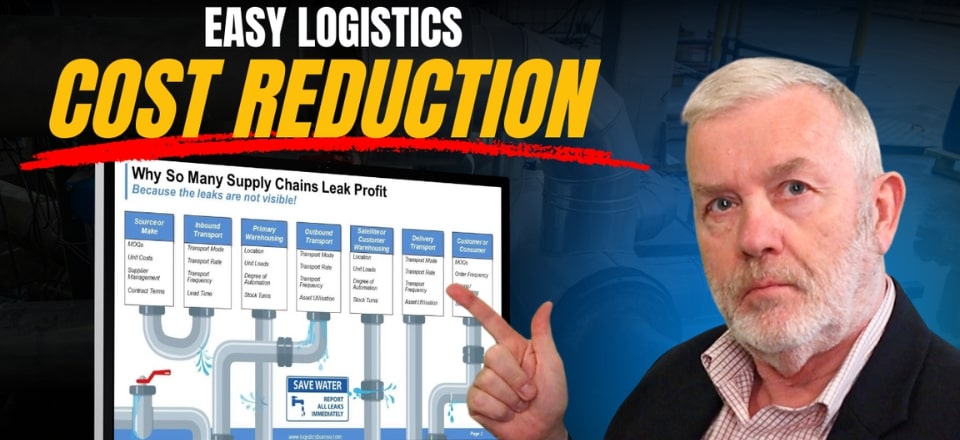
Easy Logistics Cost Reduction – But Few People Do This
Reducing logistics costs can seem overwhelming, with so many factors to consider and constant pressure to deliver results. However, focusing on just on specific area can drive significant savings. Let me start by showing you a diagram that helps explain why logistics cost reduction can feel overwhelming. Imagine senior executives pushing you to cut costs, and you’re faced with so many areas to consider…
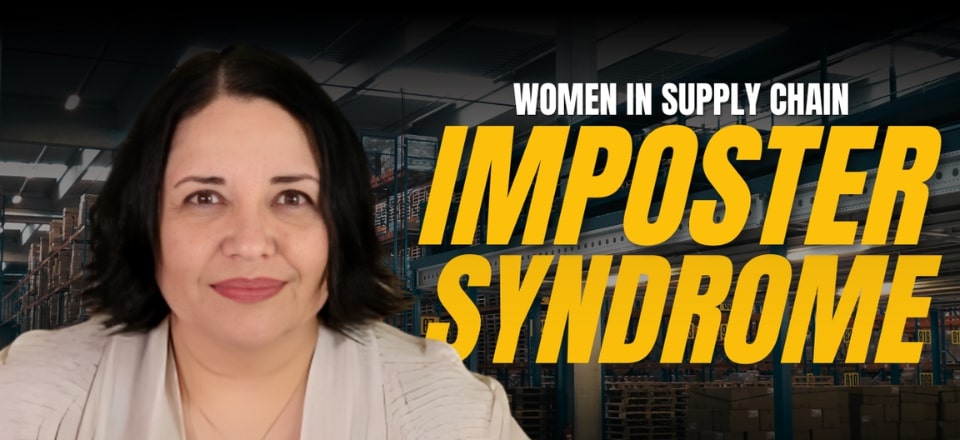
Women in Supply Chain – Imposter Syndrome – with Alma Arzate
It’s been a challenge throughout my career. When I started out in supply chain in Mexico, there weren’t many female leaders I could look up to. Supply chain has always been a male-dominated field, and that affected how I saw myself in leadership roles. I remember being promoted to a people leader in 2004, and out of 104 managers, only four of us were women. I believe overcoming imposter syndrome is about building self-confidence, and that’s not always easy…
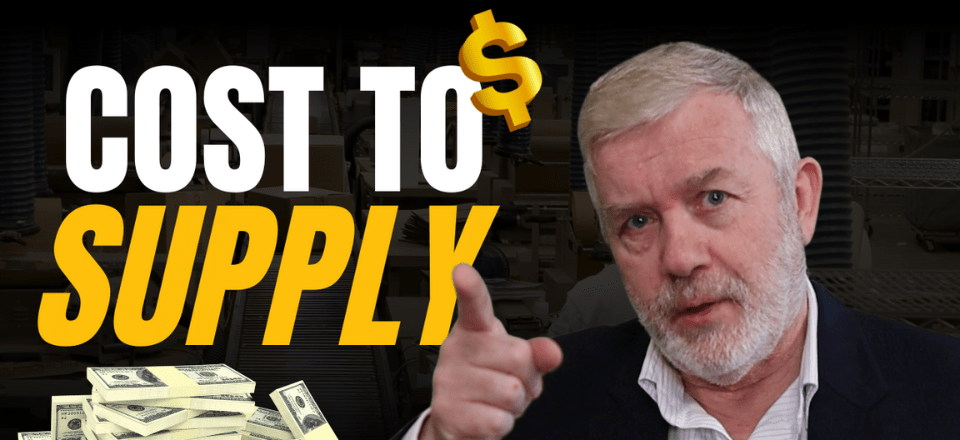
Cost to Supply v Cost to Serve and Why You Need to Understand It
Cost to supply is closely related to cost to serve but flips the focus to your suppliers’ costs for delivering goods to your business. Understanding these costs is just as crucial as knowing your own cost to serve customers. This insight helps you make key decisions, like determining whether direct store delivery or using your distribution center (DC) is more cost-effective…